
 English
 Español
 Deutsch
Chat on WhatsApp
+1 (617) 987-7432
You‘re evaluating new packaging equipment. On one side, the Vertical Form Fill Seal (VFFS) machine promises high speed and low material costs. On the other, the premade pouch filler offers premium presentation and unmatched format flexibility. Both are proven technologies, but they serve fundamentally different operational realities. Choosing the wrong one can lock you into higher operating costs, slower changeovers, or production bottlenecks that last for years.
This guide breaks down the seven critical differences between VFFS and premade pouch packaging—from speed and cost to format flexibility and changeover time—so you can match the technology to your product, volume, and business goals. No sales pitch. Just a practical decision framework.
To understand how different packaging formats align with various machine types, you may find it helpful to first review the range of pre-formed pouch capabilities and their typical applications.
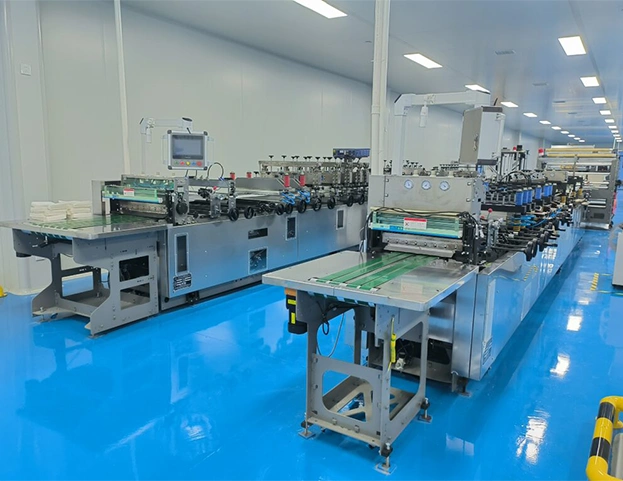
Understanding the mechanical difference between the two systems is the first step toward making a confident choice.
VFFS (Vertical Form Fill Seal) starts with a flat roll of flexible film. The film is unwound, formed into a tube around a vertical forming collar, sealed along the back seam, filled with product from above, and then cross-sealed and cut into individual pouches—all in a continuous, inline process. The entire bag is created on the machine itself, meaning no pre-made packaging inventory is required.
Premade Pouch Packaging takes a different approach. The pouches arrive already manufactured—printed, cut, and ready to use. The machine picks each pouch from a magazine, opens it, fills it with product, and seals the top. Because the pouch is already formed, the machine focuses entirely on filling and sealing operations, not bag creation.
Why this matters to you: VFFS compresses the entire packaging process into a smaller footprint and lower material cost per bag. Premade pouch systems decouple bag formation from filling, giving you access to a much wider range of bag styles without complex on-machine tooling.
The table below summarizes the seven key decision factors that directly impact your bottom line.
| Decision Factor | VFFS Machine | Premade Pouch Filler | What This Means for You |
|---|---|---|---|
| Packaging Speed | 40–200+ bags/min | 20–120 bags/min | VFFS delivers higher throughput—critical if you’re running 5,000+ bags per day. |
| Material Cost per Bag | Lower — roll-stock film is 20–40% less expensive than premade pouches | Higher — you pay for pre-formed pouch manufacturing plus storage | The savings add up: VFFS can reduce material costs by $0.02–0.08 per package, translating to $10,000–40,000 in annual savings. |
| Changeover Time | Longer — 15–90 minutes (forming tube and seal jaw adjustments) | Faster — 5–30 minutes (swapping pouch magazine) | Premade pouch fillers excel if you run frequent SKU changes. VFFS changeovers cost more downtime. |
| Bag Style Range | Pillow bags, gusseted bags, quad-seal, stick packs | Stand-up (Doypack), flat-bottom, zipper, spout, 8-side seal pouches | If your product requires a premium retail pouch—stand-up, zipper, or spout—a premade pouch machine is the more straightforward path. |
| Shelf Presentation | Limited without additional tooling | High — stand-up Doy with zipper is retail-ready standard | Retail shelves demand visual appeal. Premade pouches deliver premium presentation out of the box. |
| Floor Space | Compact — vertical stack saves factory footprint | Moderate — requires storage for pre-made pouch inventory | VFFS is ideal for facilities with limited space. |
| Operator Skill Needed | Higher — film properties, seal temperature tuning, and mechanical adjustments require training | Lower — simpler pick-and-fill mechanism, less technical maintenance | Premade pouch fillers are easier to run and maintain, reducing training costs. |
For a deeper look into the material structures that work with each machine type, explore WIZ Packaging’s materials and sustainability overview.
Many buyers focus on the upfront equipment cost, but that’s only part of the story. The real financial comparison requires looking at Total Cost of Ownership (TCO) over 3–5 years.
Upfront Investment: A VFFS system typically requires a lower initial investment for the machinery itself. Entry-level pouch fillers can start around $80,000, while a servo-driven VFFS line can exceed $150,000. However, these numbers vary widely based on configuration and features.
Material Costs (The Real Difference): This is where VFFS pulls ahead. Roll-stock film is significantly cheaper than pre-formed pouches because you’re not paying a converter to form, print, and store the bags. Industry data shows roll-stock film is typically 20–40% less expensive per unit area than equivalent premade pouches. For high-volume operations, this difference alone can justify the VFFS investment within the first year.
Changeover and Downtime: VFFS machines require longer changeovers—switching between different bag sizes involves purchasing expensive forming tubes and dealing with longer downtime. Premade pouch machinery offers faster, toolless changeovers, reducing labor costs and boosting flexibility for multi-product lines. If you run 20+ SKUs with small batch sizes, the faster changeover of a premade filler can offset its higher material costs.
The Crossover Point: At what annual bag volume do VFFS rollstock savings start to dominate? The answer depends on your specific inputs—film cost, scrap rate, labor rate, changeover frequency. But as a rule of thumb: if you‘re running 5,000+ bags per day with consistent formats, VFFS usually wins on total cost. Below that volume, or with frequent format changes, the premade pouch filler’s flexibility may deliver better overall value.
The choice isn‘t just about cost—it’s about product compatibility. Here‘s a practical decision framework.
You’re packaging dry, free-flowing products (coffee, nuts, spices, granules, powders)
You need high volume — 5,000+ bags per day
You want to save on packaging costs (roll film is significantly cheaper)
You have limited floor space
Your bag style is consistent (pillow bags, gusseted bags)
You‘re packaging bulk or industrial quantities where shelf appeal is secondary
You’re filling liquids, sauces, or viscous products — VFFS gravity fillers struggle with thick products
You‘re selling in retail stores or e-commerce where packaging appearance drives purchase decisions
You need premium features — spouts, zippers, tear notches, flat-bottom, or stand-up Doypack formats
You run smaller batches but switch products frequently
You want that premium look and feel on the shelf
The Reality: Many operations run both. One common pattern: VFFS for bulk or large-format packaging, and a premade pouch filler for retail-ready consumer packs. The question isn’t always “either/or”—it‘s “which one first, and which one next?”
To see how different industries apply these packaging formats, browse WIZ Packaging’s food and beverage packaging solutions for snacks, pet food, beverages, and more.
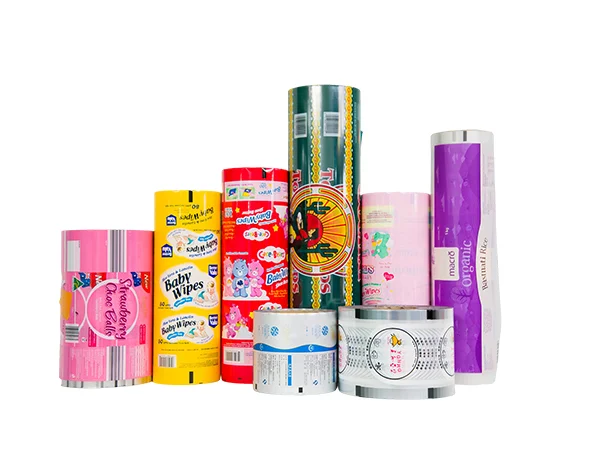
Scenario A: Premium Coffee Roaster
You‘re roasting single-origin coffee and selling through specialty retailers and DTC. Your packaging needs: stand-up Doypack with degassing valve, zipper for resealability, and high-quality rotogravure printing for brand presence. Recommendation: Premade Pouch Filler. The valve and zipper requirements make VFFS impractical, and the premium retail channel demands the shelf presentation that only pre-printed, pre-formed pouches can deliver.
Scenario B: High-Volume Snack Manufacturer
You produce 50,000 bags of trail mix per day for club stores and bulk channels. Your packaging needs: pillow bags with basic branding, low cost per bag, and maximum throughput. Recommendation: VFFS. The 20–40% material cost savings on custom rollstock film translates to significant annual savings at this volume, and the compact footprint allows you to run multiple lines in the same floor space.
Scenario C: Contract Packager with Diverse Clients
You run a co-packing facility serving food, pet food, and nutritional supplement brands—each with different bag styles, sizes, and run lengths. Recommendation: Premade Pouch Filler (or both). The fast changeover (5–30 minutes) lets you switch between SKUs multiple times per day, and the format flexibility means you can accept any client’s pre-printed pouches without retooling.
By now, you should have a clearer picture of which technology aligns with your product type, volume, and retail channel. The key decision factors to document before moving forward:
Product characteristics: Dry or liquid? Free-flowing or viscous? Fragile or durable?
Daily volume: Under 5,000 bags or over 5,000 bags? This is the single most important volume threshold.
Bag format: Pillow/gusseted (VFFS-friendly) or stand-up/zipper/spout (premade-friendly)?
Retail channel: Bulk/industrial or retail/e-commerce? Shelf presentation matters differently.
SKU count and changeover frequency: How many times per week do you switch formats?
Once you have clarified these decision factors, comparing the specific specifications of available options becomes the next logical step. You can review WIZ Packaging‘s pre-formed pouch capabilities for premium retail formats or explore custom rollstock film options for high-volume VFFS-compatible materials.
Chat on WhatsApp
+1 (617) 987-7432