Choosing between gravure and digital printing for your custom pouches? This guide compares quality, cost, MOQ, and lead time to help you decide which method fits your brand and budget.
Wrinkles, weak seals, delamination, and pinholes — here are the most common flexible packaging defects every buyer should check before mass production, and how to prevent them.
Switching to a different pouch material or finish? Colors rarely stay the same. This guide explains why substrates, surface finishes, and white ink affect color — and how to manage the transition.
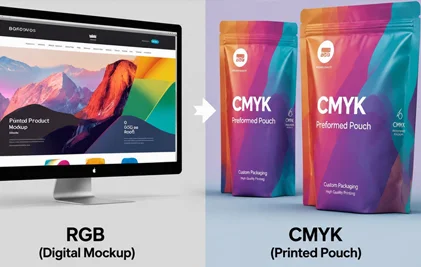
Ever wonder why your bag’s printed color looks different from what you saw on your monitor? This guide explains the root causes — from RGB to CMYK, substrate effects, and lighting — and how to set realistic expectations.
Introduction: Why the “Just Guess” Approach Wastes Material and MoneyYou’ve formulated the perfect product—artisanal coffee, freeze-dried fruits, or probiotic powder. But when you test the first proto
Not sure why your custom printed pouch color looks different from the artwork? This guide explains how film material, white ink coverage, lamination, and surface finish affect final color — and how to set realistic expectations.
Whether you are packaging roasted coffee beans, fresh pet food, or powdered vitamin blends, the preformed pouch you select must do more than simply hold your product. It must preserve freshness, maint
Deciding between rollstock film and preformed pouches? This guide compares filling speed, material cost, storage, and changeover to help you match format to your production reality.
Food, pet food, and chemical sectors each have distinct demands for ready-made pouches. This guide explains the critical barrier, durability, and compliance factors for each industry.
Spouted or flat? Compare seal integrity, failure points, filling line compatibility, and real-world leak resistance to choose the right pre-made pouch for your liquid, powder, or viscous product.
Selecting the wrong pre-opened bag size or gusset leads to spills and slow lines. Learn how to match dimensions, bottom style, and material to your powder's density and filling method.
When your filling line runs at 60 cycles per minute or more, the last thing you need is a pouch that misfeeds, fails to open, or leaks at the seal. These small interruptions add up to hours of unplann